

Traditionally, companies have managed communication in a disorganised manner. They used many different tools and let employees use their personal mobile phones. This old method is broken. It is not secure, and it creates a gap between your team and the outside world.
When voice calls happen outside of your company’s computer systems, you lose control and efficiency.
Integrated telephony in 2026 is different. It brings security, AI tools, and phone calls together into one place: Microsoft Teams. You do not need to switch between apps anymore. Instead of a phone on the desk and a chat app on the screen, everything is unified.
Two Ways to Communicate: Old vs. New
There are two main ways to manage calls today.
1. The Old Way: Disconnected Systems
This method uses old physical switchboards (PBX) and personal mobile phones.
- The problem: It is not secure or flexible.
- The risk: Employees often have to give their personal mobile number to a client. This means the company loses track of the call, and the employee loses their privacy. To move forward, companies cannot keep using these old physical switchboards.
2. The New Way: The Digital Command Centre
This approach replaces the old hardware. It puts the power of the head office directly into your pocket.
The Evolution of Voice: Smarter Calls
In the past, “chat” and “phone calls” were separate. This does not work for modern teams that work from different locations.
Now, we have native integration (e.g., Voclarion Callto365). This allows you to carry your work phone number on your mobile, but with all the power of the office system.
- Old System: You get a “missed call” with no information.
- New System: The system understands who is calling. It can even transcribe what is said and connect it to your customer database (CRM).
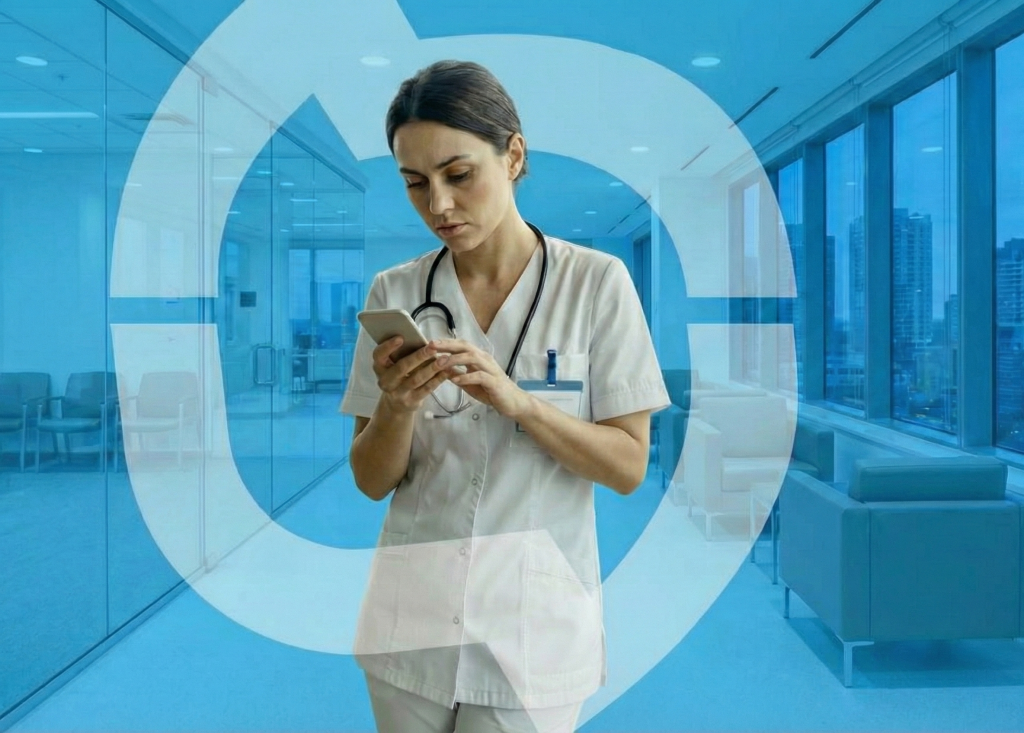
Real-Life Example: Imagine a nurse or consultant is visiting a patient and receives an urgent call.
- With the new system: Their mobile acts like a secure work phone. Before they answer, they see the client’s file on the screen. When their shift ends, the “Do Not Disturb” mode stops work calls from ringing on their personal phone.
- With the old system: The phone just rings. It interrupts their personal time, and they have no information about the caller.
This new form of telephony allows organisations to audit their communications and comply with strict regulations (such as in Healthcare or Legal sectors) before a lack of control becomes a risk. It is a way to bulletproof security and boost productivity.
Key Features of Telephony in 2026
The capabilities of integrated voice reach far beyond simply replacing the desk phone.
AI Applied to Voice: The system can write down what is said in a call (transcription) and create summaries automatically. This means your team does not have to take notes by hand and can focus on the conversation.
Connecting Old Tech: Even though we use the cloud, we can still connect necessary physical tools like faxes, alarms, or landlines using secure converters.
Security and Compliance: By using local servers and strong encryption, companies ensure their recordings follow the law. This is vital for sectors that need to be audited.
Improving Mobile Accessibility: By eliminating dependency on the desk, companies adapt their call flows to the reality of remote work. This leads to higher employee satisfaction and a faster response to the customer.
The future of voice is hybrid, secure, smart, and follows European regulations.