

The Summary
- Traditional methods are inadequate: Surveys and subjective notes provide an incomplete and snapshot view of customer emotions.
- What is Sentiment Analysis? It is the automatic analysis of emotions (frustration, enthusiasm, doubt) expressed in phone calls – in real-time.
- Proactive response: Sentiment analysis makes it possible to respond immediately to negative emotions and identify upsell opportunities.
What is Sentiment Analysis for Conversations?
The New Path to Customer Insight
Traditionally, measuring customer satisfaction was done via lengthy surveys and the subjective notes of call center agents. But these methods are slow, incomplete, and often based on a mere snapshot of an experience. The reality is that you miss out on valuable insights into the emotions at play during a conversation.
Sentiment analysis for conversations is a radically different approach. It involves automatically analyzing the emotions expressed in phone calls. Think of detecting frustration, enthusiasm, or doubt – in real-time.
Instead of waiting for a post-call survey, you can now get immediate insight into how customers are feeling. This enables you to proactively respond to negative emotions, identify opportunities for upselling, and significantly improve the overall customer experience.
It is about more than just measuring “satisfaction.” It is about understanding the human side of communication. And that offers unprecedented opportunities for growth.
Two Types of Sentiment Analysis:
Rule-based vs AI-Powered
There are basically two approaches to sentiment analysis.
Rule-based Sentiment Analysis Software: This older method is based on predefined rules and vocabularies. Keywords and sentence structures are analyzed to assign a sentiment score. It is relatively easy to implement, but limited in accuracy and flexibility. For example, it might assign a negative score to sentences containing the word “not,” without taking the context into account.
Sentiment analysis for conversations is a radically different approach. It involves automatically analyzing the emotions expressed in phone calls. Think of detecting frustration, enthusiasm, or doubt – in real-time.
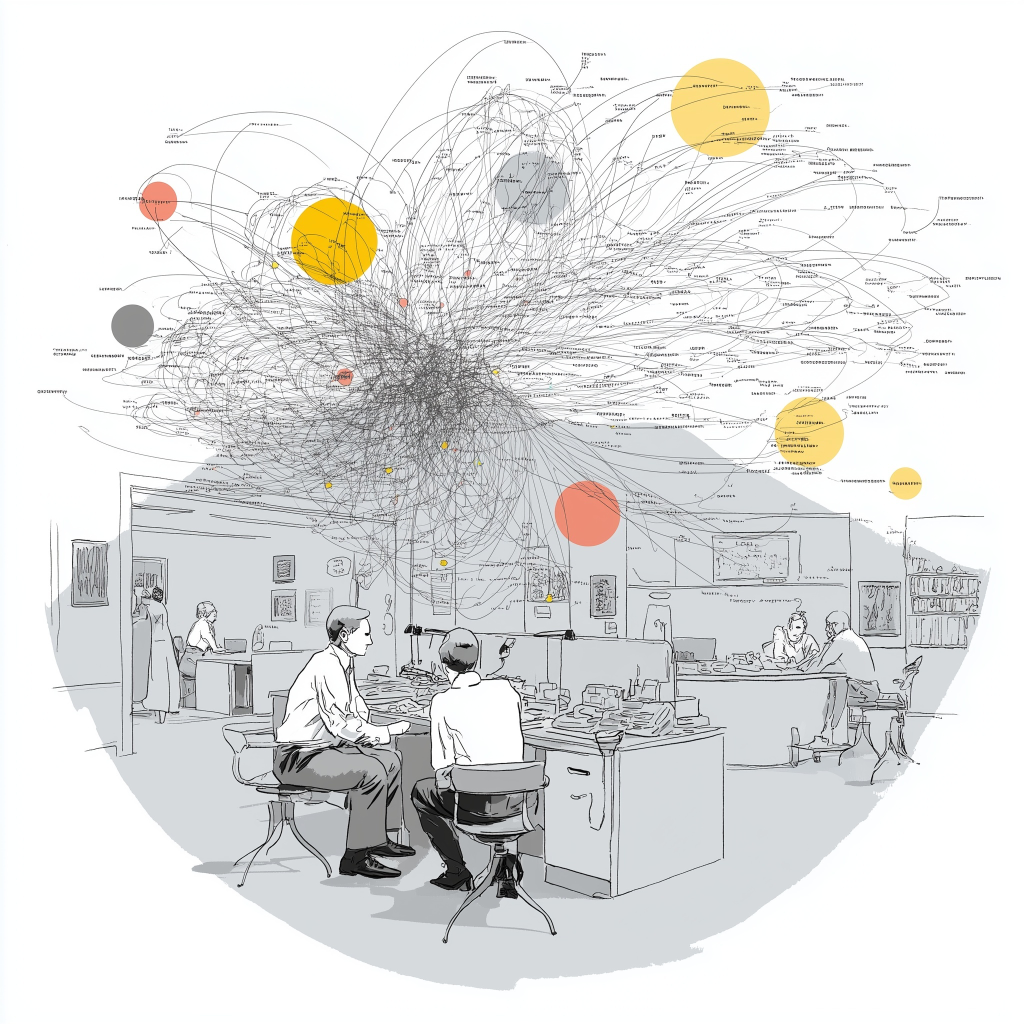
AI-Powered Sentiment Analysis Software
The Evolution of Conversation Understanding: More Than Just Counting Words
Traditionally, customer satisfaction was measured by surveys and the subjective notes of employees. But these methods often miss the nuances of what customers really mean, and lag behind the speed of modern communication.
The way we understand conversations is fundamentally changing. Thanks to advanced technologies, such as natural language understanding and generative artificial intelligence, we can now gain deeper insights into the emotions and intentions behind words.
A smart system recognizes the irony and detects the frustration, whereas an older method might only pick up the word “great.”
It is no longer just about recognizing positive or negative keywords. Modern systems understand the context, the tone, and even sarcasm – elements that traditional methods often overlook.
Imagine: a customer says, “Great! My order arrived three days later than promised. Right on time for the party that I ultimately couldn’t throw.” A smart system recognizes the irony and detects the frustration, whereas an older method might only pick up the word “great.”
This new form of conversation understanding enables organizations to proactively respond to dissatisfaction before it escalates. It is a way to strengthen customer relationships and foster loyalty by truly catering to the needs of the customer.
Use Cases and Key Features of Sentiment Analysis in Call Centers (and Beyond)
The possibilities of call sentiment analysis extend beyond just call centers.
Assessing the Overall Sentiment of a Call: Sentiment analysis can indicate in real-time whether a conversation is trending positive, negative, or neutral. This provides insight into customer satisfaction and can help to intervene quickly in negative conversations.
The future of calling is smart, adaptive, and emotionally intelligent. And it starts now.
Identifying Coachable Moments: AI can highlight moments in a conversation where an agent might have responded differently. This provides valuable feedback for coaching and training.
Discovering Subtle Customer Sentiment Trends: By analyzing large volumes of calls, companies can discover patterns in customer emotions. This can lead to valuable insights regarding product feedback, marketing campaigns, and customer needs.
Improving Customer Satisfaction with Call Sentiment Analysis Tools: By gaining insight into the emotions of customers, companies can adjust their communication strategies and adopt a more personalized approach. This can lead to higher customer satisfaction and loyalty.
The future of calling is smart, adaptive, and emotionally intelligent. And it starts now.
Ready for the Future of Calling?
Understanding what customers truly feel is essential for success. But it goes beyond just sentiment analysis. The future of calling revolves around intelligent conversations, personalized interactions, and proactive support.
Do you want to discover how smart technology can transform your communication, empower your team, and take the customer experience to a new level?
Contact us today for a no-obligation introductory meeting. Together we will explore how the future of calling can transform your business and enable you to truly connect with your customers – in a way that is relevant, valuable, and unforgettable.